2026 Conference Speakers
Bruno Porto
Bruno Porto Comunicação Visual
Talk
Typography in Superhero Logos
Over the past decades, the superhero genre has emerged as a dominant force in mainstream pop culture, firmly establishing itself across global entertainment networks. For example, the very first public visual piece of information unveiled about any upcoming Marvel Cinematic Universe project is traditionally its logo. Far from being arbitrary designs, these logos serve as the primary symbolic sign of a brand, conventionally derived from historical comic books that served as the foundational source material.
Read more
Jenna Anderson
Fish
Talk
The Typographic 2000s
The rollercoaster role of typography in the last 20 years in North American pop culture has been A RIDE.We'll take guests on a retrospective journey of design through the 2000s, examining the good, the bad, and the ugly, while bringing out a crystal ball for what’s next.
Read more
Jordan C. Bowden
Jordan C. Bowden
Talk
Typography: The Silent Activist
Activism doesn't always have to be loud. While actions may speak louder than words the act of visually spelling out certain words, and posting them for all to see, can effect more change than the loudest megaphone.
Read more
Kevin King
Typotheque
Talk
Indigenous North American Typographies
Despite a high number of living languages and such graphic richness, Indigenous communities continue to face widespread challenges towards typographic expression and accessing and using their languages on essential digital platforms.
Read more
Max Sawka
OneMethod
Talk
Be graffiti.
I spent twenty years of my life addicted to painting graffiti on trains. Then I got arrested.At that point I truly thought my life was over, but the truth is that this was in many ways the beginning for me because I was finally forced to apply my graffiti mindset to all the the other things in my world.
Read more
Priya Mistry
Blended Creative House
Talk
Making in the Middle
For bicultural and diasporic designers, there can be pressure to either assimilate into dominant Western design languages or lean on familiar cultural signifiers to communicate who something is for. But culture is rarely that simple. So how do we design for identities that exist somewhere in the middle?
Read more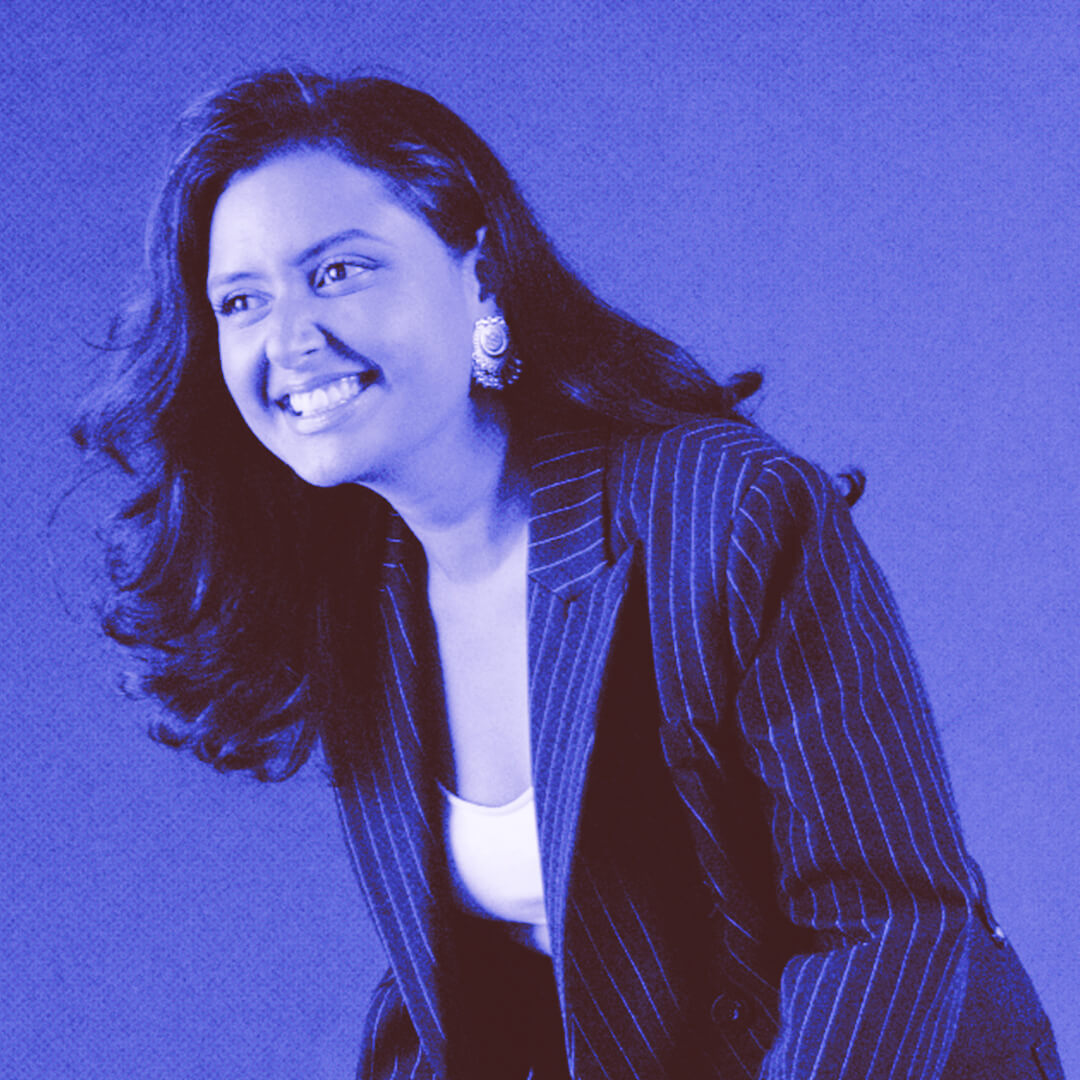
Reena Mistry
Humble Raja
Talk
Another World of Type
Imagine cities still brimming with sign painters. A place that has 22 official languages and uses 13 different scripts. Layered organically over decades, the streets are filled with hand-painted lettering, peeling posters, cheap vinyl decals and neon signs. These are the streets of India, a living museum of typography.
Read more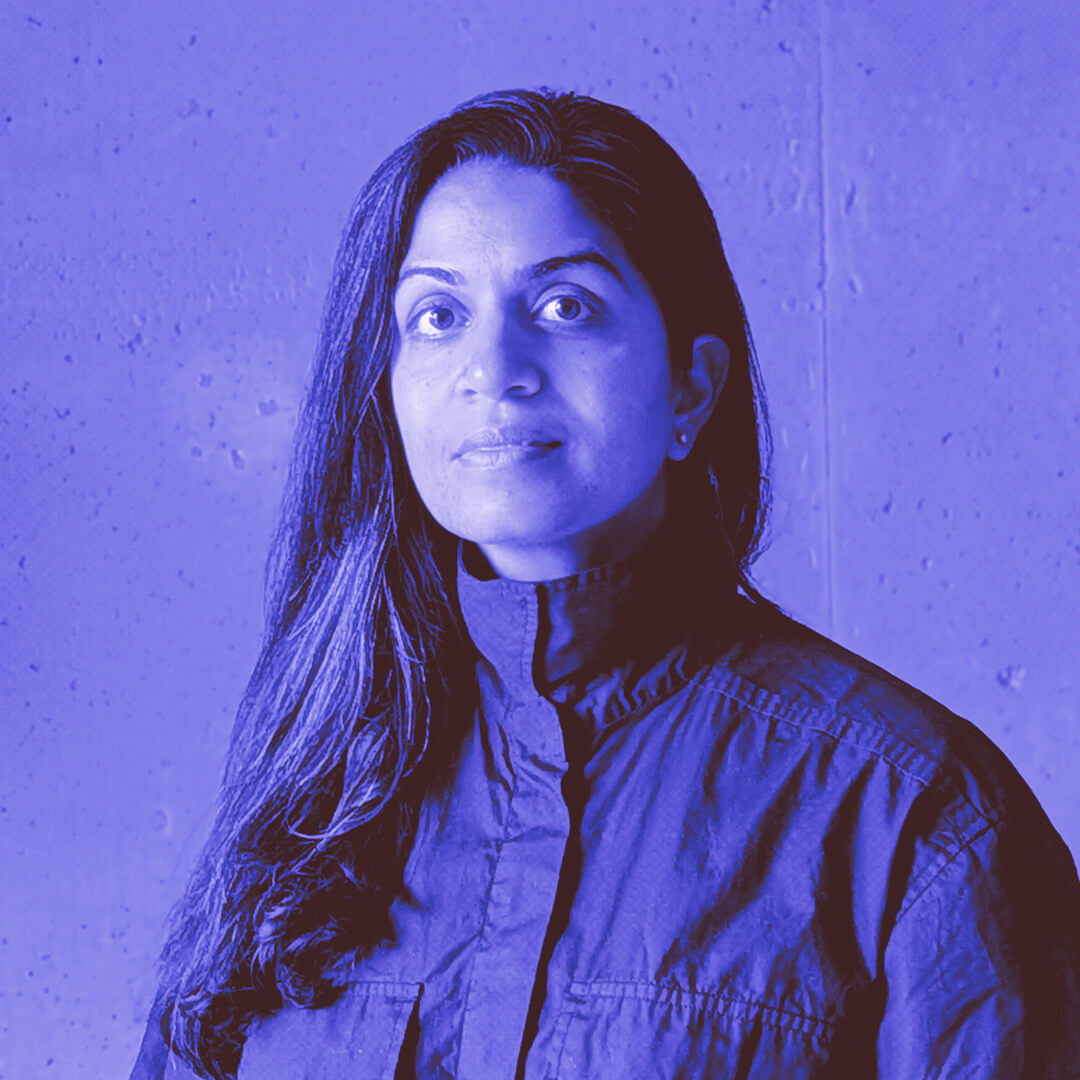
Ryan Lastname
RYAN LASTNAME
Talk
Memento Memori
When a loved one dies a memento often left behind is their written word; notebooks, birthday cards, scribbles on a wall calendar. After the passing of my grandmother ('Granny') in April 2020 I wondered what makes a persons handwriting so distinctly theirs. This innocuous question opening up a wider philosophical and anthropological can of worms than I was prepared for.
Read more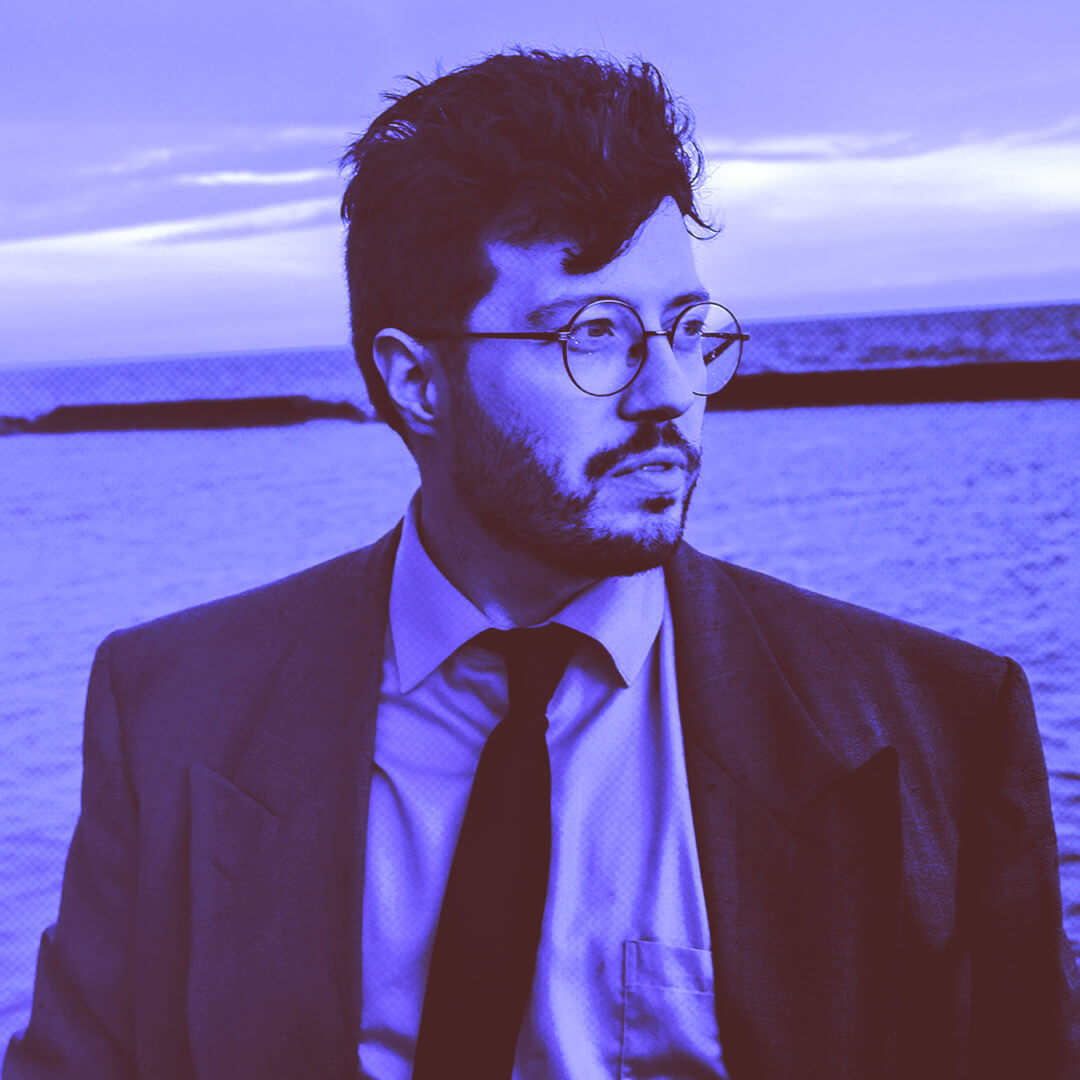
Scott Boms
The Office of Scott Boms
Talk
Zen and the Art of Laser Typography
We’ve learned how to design confidently for screens — but what if you had to design around a wildly different form of ephemeral interface that, in fact, you mostly didn’t want people to even have to use? What if the traditional design rules and constraints no longer applied? Where would you begin — and how would you gauge success?
Read more